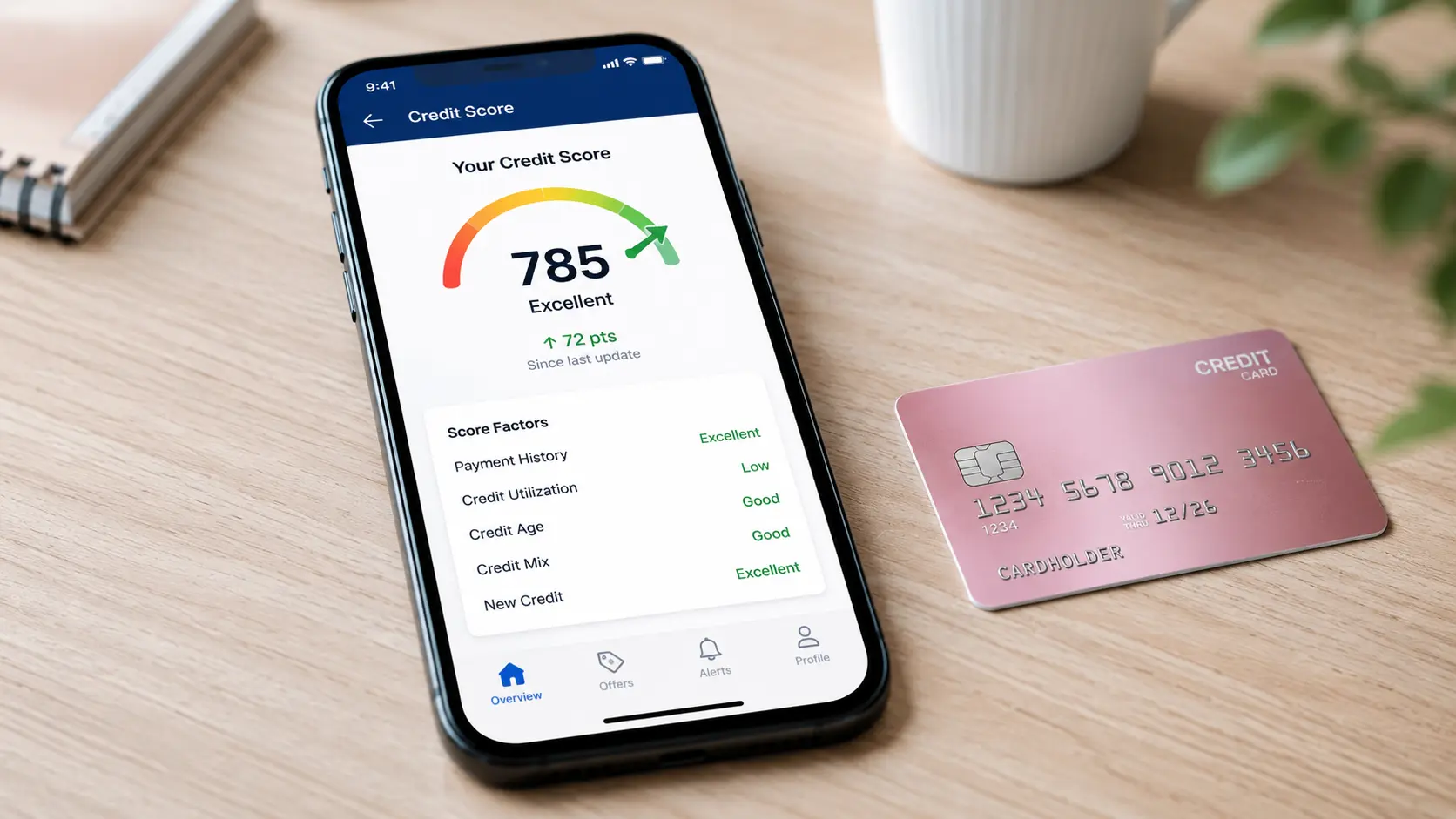
Navigating modern retail purchases requires a close look at how alternative payment solutions operate today. Many everyday shoppers use Buy Now, Pay Later (BNPL) apps to manage short-term expenses without reaching for traditional credit cards. However, understanding how these apps interact with major credit bureaus remains essential for protecting your financial health.
This guide breaks down exactly how Klarna handles consumer reporting, the difference between short-term plans and long-term financing, and smart steps to keep your financial profile secure.
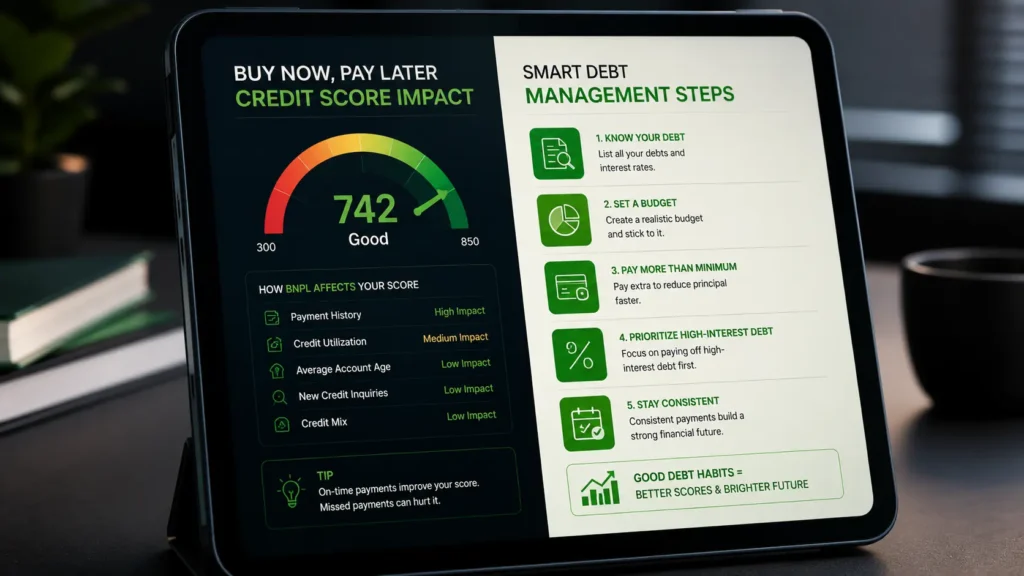
How Klarna Operates Within the Modern Financing Arena
When you check out online, split-payment services offer instant convenience. But behind the smooth interface lies a complex system of lending rules and data reporting.
Unlike standard credit cards, most short-term installment products are structured differently. Understanding these mechanics prevents sudden shocks to your personal financial records.
“To understand regulatory updates on installment apps, you can read the official Consumer Financial Protection Bureau (CFPB) BNPL insights on shopper protections.”
The Danger of Missed Payments: Even if standard plans do not track on-time payments, falling behind carries real risks. If an account remains unpaid and goes to collections, agencies report the delinquency, which can sharply lower your overall score.
Short-Term Plans (Pay in 4): Standard bi-weekly payment plans typically do not report on-time payments to major credit bureaus like Equifax, Experian, or TransUnion. This means consistent, punctual payments on standard checkout splits generally will not help grow your credit history.
Long-Term Financing: If you opt for Klarna’s monthly financing options (which involve formal loan agreements), the structure changes. These extended loans often involve hard or soft credit checks and can report payment history to credit bureaus.
Practical Rules for Safe BNPL Usage
Managing digital debt effectively requires strict personal discipline. Because these micro-loans make spending feel effortless, buyers sometimes accumulate multiple small balances across different apps simultaneously.
Here is how you can use digital financing safely without risking your long-term standing:
Check Bureau Reports Periodically: Pull your official reports regularly to confirm that no unexpected collection accounts or hard inquiries appear from third-party lenders.
Monitor Active Balances Daily: Keep a running list of every active payment plan you hold. Never rely on memory to track upcoming bi-weekly deductions.
Maintain Bank Reserves: Ensure your primary checking account has a healthy buffer before initiating split payments. Automated deductions can trigger overdraft fees if your balance dips too low.
Limit Simultaneous Plans: Avoid stacking multiple Pay in 4 purchases at the same time. Managing two or three concurrent repayment schedules increases the chance of a missed due date.
“If you are adjusting your seasonal budget while waiting for government payouts, check our updated guide on 3000 IRS tax refund status 2026.”
Key Differences Between BNPL and Traditional Credit Cards
“For more details on how major bureaus handle point-of-sale loans, review the Experian BNPL credit reporting guidelines.”
Many young buyers wonder whether switching entirely to BNPL apps is safer than using traditional revolving credit. While split-payment tools help avoid high revolving interest rates when paid on time, they lack the robust credit-building framework of traditional credit cards.
Traditional cards report every single monthly cycle, rewarding consistent behavior with steady score growth. BNPL apps, by contrast, function primarily as transaction facilitators rather than dedicated credit-builder tools. Treating them strictly as budgeting shortcuts—rather than score-building instruments—keeps your financial strategy grounded.
“Managing short-term BNPL balances becomes much easier when you create extra cash reserves through proven passive income ideas.”
The Long Term Impact of Understanding Your Modern Financing Options
Managing regular monthly bills effectively is the foundation of long-term financial stability. When using digital payment solutions, tracking your active micro-loans prevents small balances from compounding into overwhelming debt.
While individual split payments may seem minor, accumulating multiple loans across different platforms can strain your monthly cash flow. Monitoring your total debt exposure ensures your budget remains balanced and protects your purchasing power.
Reviewing your official credit bureau reports every few months allows you to spot any inaccurate items or collection markers reported by fintech platforms. Staying proactive with your payment schedules keeps your financial profile clean and sets a solid path toward overall financial stability.
Conclusion: Take Full Control of Your Credit Journey Today
Achieving long-term success with digital payment tools comes down to making deliberate, well-planned financial choices. Setting a firm budget before opening split-payment apps ensures you only select financing tools that fit your actual cash flow.
You do not need to avoid modern payment options entirely—simply track your repayment dates carefully and keep an eye on your checking account reserves. By using these practical budgeting strategies, you can take advantage of digital purchasing flexibility while keeping your long-term finances completely secure.
Frequently Asked Questions (FAQ)
Q1: Does Klarna build credit when using the standard Pay in 4 option?
No. Standard short-term bi-weekly plans do not report on-time payments to major credit bureaus, meaning punctual payments won’t boost your score.
Q2: Can a missed payment on Klarna hurt my overall credit history?
Yes. If your account falls severely delinquent and gets sent to an external debt collection agency, that negative mark will be reported to credit bureaus and can damage your profile.
Q3: Does Klarna build credit if I choose their long-term financing plans?
Yes, formal multi-month financing options involve credit checks and typically report payment data, meaning timely payments can positively influence your financial profile.
Q4: How can I safely track multiple digital payment apps?
The best approach is maintaining a dedicated digital spreadsheet or budget tracker that logs every upcoming debit date, ensuring your bank account is always funded before payments process.
For the most up-to-date consumer terms, always review the official Klarna user agreement and credit reporting disclosures directly on their platform.
Visit the official Klarna Credit Bureau Policy Guide to explore live terms and conditions changes regarding consumer reporting updates.

Ankur Saxena, CA is a qualified Chartered Accountant (ICAI) and the founder of MyFinanceGoal.com. Drawing on his formal background in financial analysis, accounting, and tax compliance, he breaks down U.S. banking rules, credit systems, and IRS guidelines into practical, step-by-step guides—all cross-verified against official sources like the IRS, FDIC, and CFPB. (Educational content only; CA India, not a U.S. CPA).