

Russian Satellite Alert: The Shocking Truth Behind the Latest Orbital Maneuvers
The world is worried. A Russian satellite just made a very dangerous move in space.
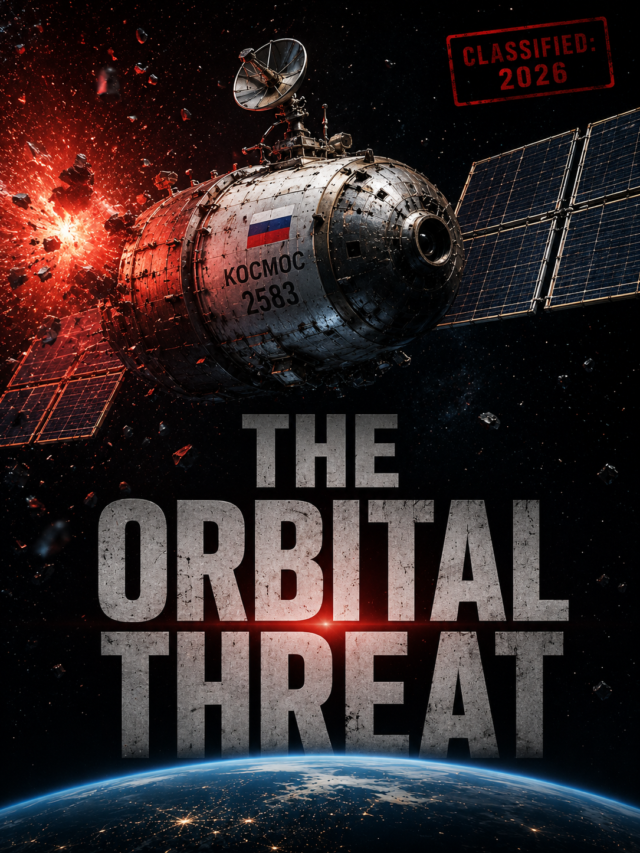
New data from May 2026 shows two Russian crafts, Cosmos 2581 and 2583, passed within ten feet of each other.
This event shocked U.S. Space Command. Such a close pass almost never happens by accident.
Russia calls these routine tests. However, other nations now fear a new era of space spying and orbital weapons.
Russian Satellite Chaos : Resurs-P1 Breakup
This recent move follows the massive Russian satellite explosion of the Resurs-P1 earlier this year. The event sent 180+ junk pieces into space, forcing International Space Station astronauts to hide in safety right away.
Although the immediate threat to the ISS has passed, the lingering debris cloud continues to pose a significant risk to commercial and GPS satellites. Experts suggest the satellite exploded because Russia failed to decommission it properly, causing a “low-intensity explosion” in space.
Russian Satellite Cosmos 2583: A New Kind of Threat?
The most worrying aspect of the current Russian satellite activity is the precision of the maneuvers. Unlike random debris, the Cosmos 2583 satellite performed multiple fine adjustments to maintain its tight formation.
This “inspector” behavior suggests Russia is testing technology to approach, spy on, or disable other countries’ orbital assets.
With the US and Australia expanding their surveillance networks in response, the tension in space has reached a boiling point in May 2026.
Why Space Debris is Everyone’s Problem
Every time a Russian satellite fragments or maneuvers unsafely, it increases the risk of the “Kessler Syndrome.”
This is a scary situation where a chain of crashes creates so much junk that space becomes useless for years.
Experts currently track over 35,000 objects in orbit, but millions of smaller, untraceable pieces could destroy a billion-dollar satellite in a split second.
Russia’s lack of transparency regarding these events has made orbital safety a top priority for global defense agencies.
Key Facts: Russian Satellite Updates (May 2026)
- Proximity Alert: Two Russian satellites passed within 3 meters of each other on April 28, 2026.
- Debris Cloud: Over 180 pieces of junk from the Resurs-P1 breakup are still being tracked.
- ISS Emergency: Astronauts were forced to seek shelter for over an hour due to Russian satellite fragments.
- New Rocket Success: Despite orbital issues, Russia successfully launched its homegrown Soyuz 5 rocket on April 30, 2026.
- International Response: The US Space Force and Australia have signed a new pact to track “dark” Russian satellites in the Indo-Pacific.
Frequently Asked Questions (FAQ)
Q1: Is the Russian satellite debris a threat to GPS? Yes. While most GPS satellites are in a higher orbit (MEO), the debris in LEO can impact the ground stations and communication links that GPS relies on.
Q2: What is an “Inspector Satellite”? Like the recent Russian satellite Cosmos 2583, this type of satellite maneuvers close to other objects to take high-resolution photos or collect signals.
Q3: Can I see the Russian satellite debris from Earth? Most fragments are too small to see with the naked eye, but large maneuvers can sometimes be tracked by amateur astronomers with high-end telescopes.
- If you’re following high-stakes tech, read how Mira Murati’s new $12B startup is using AI to analyze satellite data.
- Stay updated with real-time tracking data on LeoLabs: Persistent Orbital Intelligence.
Leave Your Comment about this article

Financial enthusiast with 5 years of experience in the US market trends and personal wealth management